
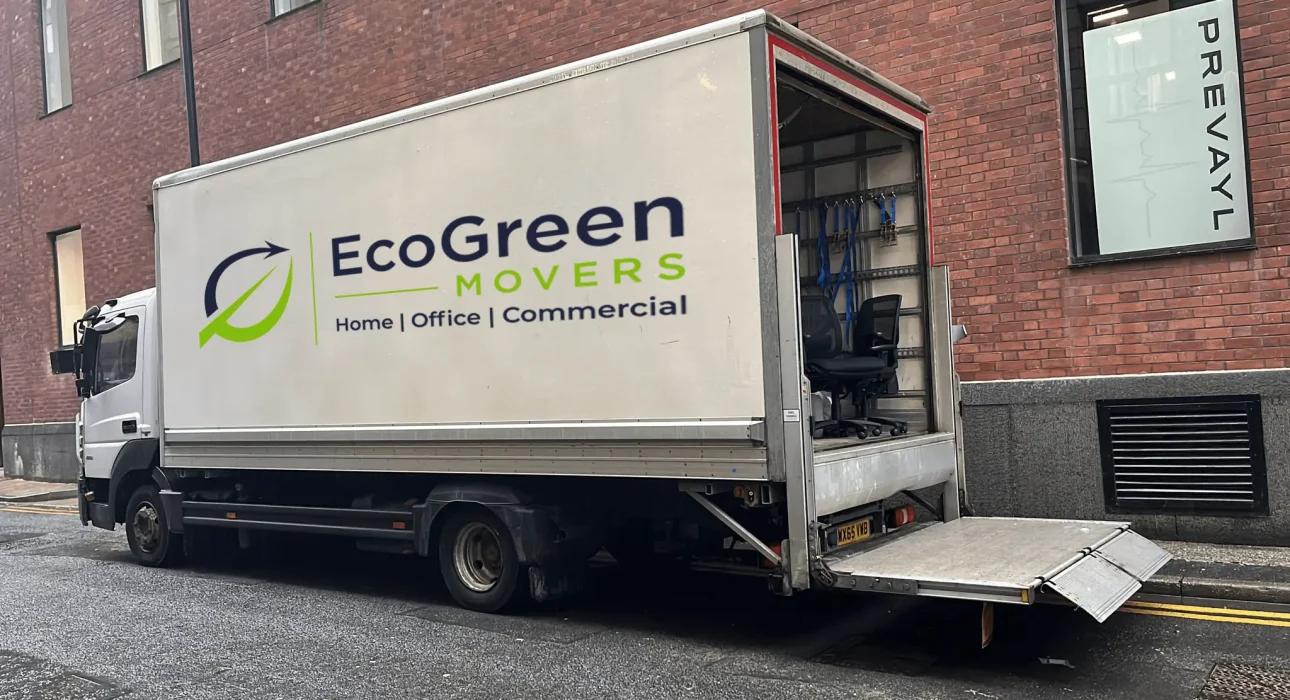
Packing for a house move doesn’t have to be wasteful or chaotic. In fact, with a little planning, you can significantly reduce the environmental impact of your move and make the process smoother for yourself. At EcoGreen Movers, we are committed to sustainability. A typical home move can use dozens of cardboard boxes and rolls of non-recyclable tape, generating up to 60 kg of packing waste. We want to change that. Here are 10 tried-and-true packing tips from our team that will make your next move greener and less stressful.
1. Declutter Before You Pack
The golden rule of eco-friendly moving is to move less stuff. Before you reach for a single box, go through your belongings and set aside anything you don’t truly need. By donating, selling, or recycling these items, you reduce the weight of your load, which leads to lower fuel consumption and emissions from the moving van. It also reduces your moving costs and makes unpacking in your new home a breeze.
2. Reuse or Find Second-Hand Boxes
Why buy new when so much used cardboard is already in circulation? In the weeks leading up to your move, start collecting boxes from friends, neighbors, or local shops. Many community groups online offer free boxes from people who have just finished their own moves. Reusing boxes gives that cardboard a second life and prevents it from heading straight to a landfill. Just ensure the boxes are sturdy and haven’t lost their structural integrity.
3. Rent Reusable Crates or Eco-Boxes
For a truly zero-waste approach, consider renting reusable plastic moving crates. We often provide these as part of our removals company in Edinburgh services. These crates are designed for hundreds of uses, stack perfectly, and require no adhesive tape. Once you’re unpacked, we collect them for the next customer. It is a perfect circular solution for a modern move.
4. Use Household Items as Packing Materials
You likely already own all the padding you need. Wrap your dishes in dish towels, cushion your electronics with folded sweaters, and use socks to protect fragile glassware. We have even seen customers wrap large framed pictures in their duvets. By putting your household textiles to work, you eliminate the need for rolls of plastic bubble wrap.
5. Choose Sustainable Packing Supplies
If you do need to buy extra supplies, opt for eco-friendly versions. Look for biodegradable packing peanuts made from corn starch—these dissolve in water and are much safer for the environment than Styrofoam. Use recycled paper or crumpled newsprint to fill gaps in boxes instead of plastic air pillows or foam. These small choices add up to a significantly cleaner move.
6. Ditch the Plastic Tape and Wrap
Standard PVC packing tape is a major environmental offender because it isn’t recyclable. Switch to water-activated paper tape or biodegradable paper tape instead. You should also skip the plastic cling film for furniture. Instead, use bungee cords, straps, or reusable furniture blankets to keep drawers closed and surfaces protected.
7. Pack in Containers You Already Have
Your suitcases, duffel bags, laundry baskets, and storage bins shouldn’t be moved empty. Fill them with clothes, books, or linens. This not only saves you from needing more boxes but also ensures you aren’t paying to transport “air.” For some moves, you can even leave clothes in dresser drawers—just secure them with a blanket to keep everything in place.
8. Pack Efficiently to Maximize Space (The “Tetris” Method)
Packing efficiently is about more than just being neat; it’s about reducing the number of trips. Our teams load vans like a game of Tetris to ensure every inch of space is used. When you pack your boxes, avoid leaving them half-empty, as this causes shifting and damage. Use small items like socks or tea towels to fill gaps. An efficiently packed move can often fit into a smaller vehicle, which burns less fuel.
9. Label Boxes Clearly with Contents and Room
Proper labeling is key to a stress-free move. By marking boxes clearly (e.g., “Kitchen – Pots and Pans”), you ensure your movers handle fragile items correctly and place them in the right room. This prevents unnecessary double-handling and helps you find the kettle on your first night without opening twenty different boxes. Clear labels are especially important for office removals in Manchester where organizational downtime must be kept to a minimum.
10. Recycle or Return Packing Materials After the Move
The move isn’t over until the waste is handled. Don’t just bin your supplies. Flatten and save good boxes for future use or offer them to the next person moving on social media. If you used our rented crates, we will collect them to keep the loop going. By ensuring your materials are reused or recycled, you complete the cycle of a truly sustainable relocation. With the right approach and the help of EcoGreen Movers, your move can be gentle on the planet and your peace of mind.


