
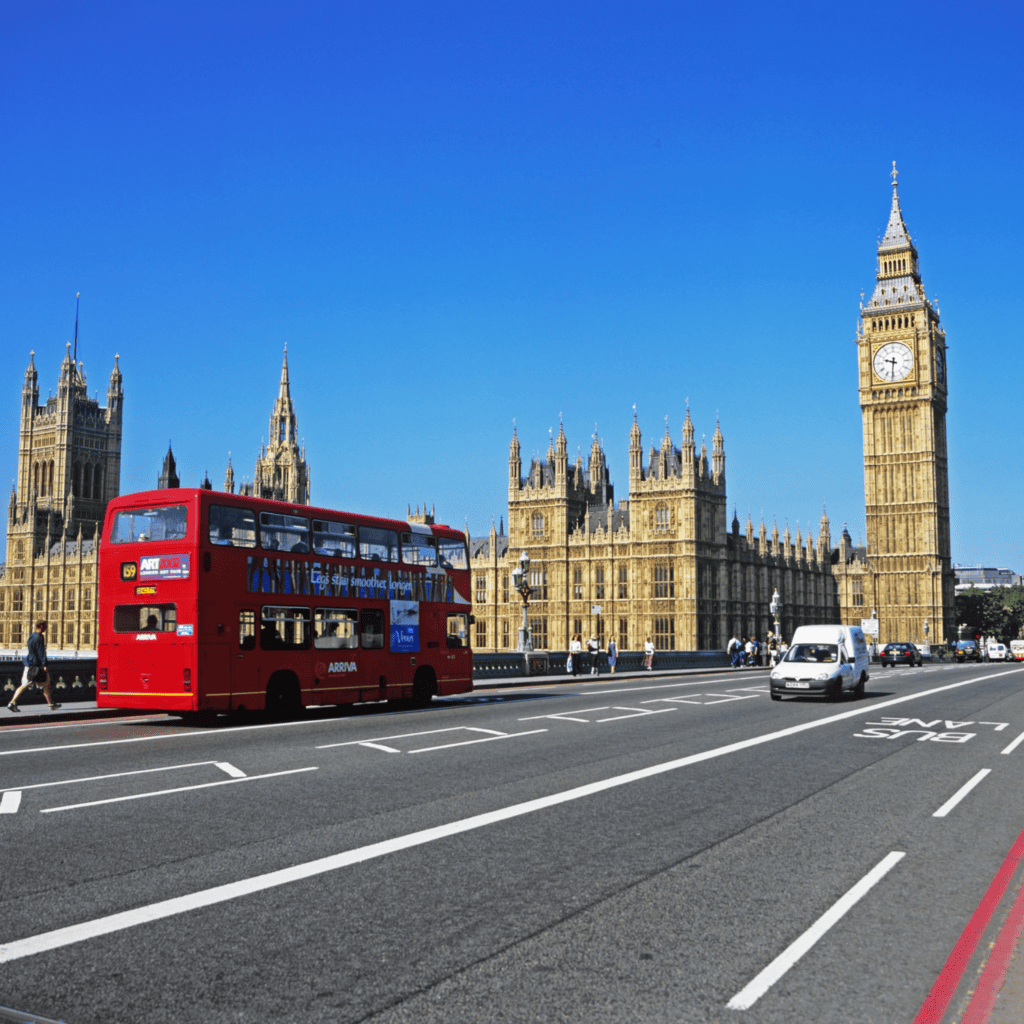
Thinking about moving to London, but not sure if it’s really the right move for you? You’re not alone. London can look exciting from the outside: big career opportunities, famous landmarks, endless things to do… But everyday life here can feel very different from what you see on social media or during a weekend trip. In this guide, we’ll walk through the main pros and cons of living in London in a clear, honest way, so you can picture what your day-to-day life might actually look like. By the end, you should have a much better idea of whether London fits your budget, your lifestyle, and your future plans or if another city might suit you better.

Pros of Living in London
World-class culture, entertainment and history
London is packed with things to see and do. You have famous museums, galleries, historic buildings, street markets, comedy shows, exhibitions, talks, and seasonal events all year round. Many museums are free, and there’s always a new area, landmark or hidden corner to explore. If you like the idea of finishing work and still having something interesting to do with your evening or weekend, London makes that very easy.
Strong job market and career growth
London is one of Europe’s main business hubs. A lot of big companies have offices here, and many start-ups choose London as well. This means:
- more roles in different industries
- more chances to move up or change career
- more networking and events in your field
If you want to grow your career, build a strong CV, or switch into a new industry, London can open doors that are harder to find elsewhere.
Higher salaries and “London weighting”
Because life is so expensive, a lot of employers pay more in London than they would in other UK cities. Some jobs offer a specific “London weighting”, which is an extra amount added to your pay. This doesn’t magically fix the high costs, but it can help. If you work in a high-demand field (for example tech, finance, consulting, or specialised roles), your salary can be significantly higher than in the rest of the country.
Public transport, connectivity and walkability
You don’t need a car to live in London. The Tube, buses, trains, trams, Overground and bike hire schemes cover most areas. You can:
- get across the city fairly quickly
- travel to other UK cities by train
- fly to many countries directly from London’s airports
For many people, this is a big plus. You save on car costs, and it’s easier to get around if you don’t drive.
Parks, green spaces and outdoor life
Despite being a huge city, London has plenty of green areas. You’ll find big parks, smaller local parks, and canals and riverside walks. They give you:
- somewhere to sit with a coffee
- zone for running, walking or exercising
- a break from traffic and noise
If nature is important to you, London won’t replace the countryside, but it does offer more greenery than many expect.
Diversity and food scene
London is very multicultural. You hear many languages on the street and see communities from all over the world. This shows in the food:
- small family-run spots
- high-end restaurants
- food markets and street food
You can try dishes from almost anywhere without leaving the city. If you enjoy discovering new flavours or feel more comfortable in a diverse environment, this is a big advantage.
Networking, opportunities and “big city energy”
London has a strong “go-getter” vibe. There are meetups, industry talks, co-working spaces and events for almost every niche. It’s easier to:
- meet people in your field
- find mentors or partners
- join hobby groups and communities
The city can feel inspiring if you like being surrounded by ambitious, creative people and a constant sense of movement.
Healthcare and everyday services accessibility
For residents, most healthcare is available through the NHS, which is usually free at the point of use. Beyond healthcare, you also have:
- many clinics, dentists and specialists
- gyms, personal trainers and wellness services
- delivery apps for food, groceries and essentials
This doesn’t mean everything is perfect (we’ll cover the downsides), but overall London gives you a lot of options within a relatively small area.

Cons of Living in London
Extremely high rent and housing costs
Housing is one of the biggest pain points. Rents are very high compared with most other UK cities, and the flats are often small for the price. Many people:
- share with several flatmates well into their 30s
- live far from the centre to afford lower rent
- find it hard to save for a deposit
If owning a home or having a large place is a top priority, this can be a serious issue.
Overall high cost of living (hard to save)
It’s not just rent. Groceries, transport, childcare, going out, parking, and basic services all add up. Even if your salary looks good on paper, you might feel like the money disappears quickly. For many people:
- saving is slow
- emergency funds are hard to build
- big life goals (buying, investing, long trips) move further away
If financial stability and fast saving are key goals for you, this is an important factor.
Crowds, tourists and noise
London is busy almost all the time. Central areas are full of:
- commuters
- shoppers
- tourists
Trains can be packed at rush hour, and popular streets can feel overwhelming. If you’re sensitive to noise, don’t like crowds, or feel drained by constant movement, this side of London might be tiring very quickly.
Small living spaces and limited personal space
Many London flats are:
- small
- oddly laid out
- low on storage
You might have:
- no garden
- limited outdoor space
- thin walls and close neighbours
This can be fine if you mostly use your place to sleep and work from an office. But if you spend a lot of time at home or want space for kids, hobbies or a home office, you may feel cramped.
Air pollution and cleanliness issues
Like most huge cities, London struggles with air quality. Busy roads, older buildings and heavy traffic all contribute. You might notice:
- more dust
- more fumes near main roads
- litter in some areas, especially after busy weekends
If you have breathing issues or just care a lot about clean air, this could be a serious downside.
Transport stress, disruptions and traffic
Public transport is useful, but it’s not always smooth. You’ll likely deal with:
- delays and cancellations
- crowded trains and buses
- high fares, especially in peak hours
Driving isn’t much better. Traffic can be heavy, and parking is expensive or hard to find. For people who commute daily at busy times, this can become a big source of stress.
Healthcare access and waiting times
The NHS is a great concept, but in practice you may face:
- long waits for non-urgent appointments
- delays for specialist care or routine surgery
- difficulty registering with a GP in some areas
If you have ongoing health needs, you might need to mix NHS care with private appointments, which adds to costs.
Loneliness, culture shock and emotional strain
Being surrounded by people doesn’t always mean you feel connected. Many newcomers say London can feel:
- fast
- intense
- a bit cold at first
Making close friends can take time, especially if you work long hours. If you’re moving alone or from a smaller, close-knit place, the first months can be emotionally tough.
Workload, burnout and “quality of life” trade-off
Because costs are high, a lot of people feel they have to:
- work longer hours
- take on extra responsibilities
- say yes to more than they’d like
You might live in an exciting city but be too tired or busy to enjoy it fully. For some, this trade-off is worth it for career growth. For others, the stress and fatigue cancel out the benefits.
Extra risks and uncertainty for expats (e.g. Brexit)
If you’re not a UK citizen, there may be:
- visa rules to manage
- extra fees or surcharges
- changing regulations over time
This doesn’t mean you shouldn’t move, but it does mean more paperwork, more admin and more uncertainty than living in your home country or in some other EU cities.
Pros and Cons of Living in London Summary Comparison Table
| Aspect | Pro / Con | Core Point | Best For | Not Ideal For |
|---|---|---|---|---|
| Culture & entertainment | Pro | World-class museums, galleries and events | Culture lovers, curious people | Those who prefer quiet rural towns |
| Career & salaries | Pro | Strong job market and higher pay in many fields | Ambitious professionals, expats | People happy with slower careers in cheaper cities |
| Transport & connectivity | Pro | Dense public transport and global travel links | Non-drivers, frequent travellers | Drivers who dislike traffic and complex routes |
| Parks & greenery | Pro | Many parks and riverside walks for a breather | Runners, families, people who enjoy the outdoors | Those who want a big private garden |
| Diversity & food | Pro | Multicultural city with wide food choice | Foodies, open-minded expats | Those who dislike busy, mixed-city environments |
| Cost of housing | Con | Very high rent and purchase prices | High earners, people with strong savings | Average earners, students, young families |
| Overall cost of living | Con | Expensive daily living, hard to save quickly | Short-term career builders | Anyone focused on fast saving and low bills |
| Crowds & tourists | Con | Busy streets and long queues in central districts | People who enjoy lively city life | Those who crave calm, quiet surroundings |
| Pollution & cleanliness | Con | Air quality and street cleanliness can be poor | People who can live in greener, quieter parts | Those with breathing issues or strong comfort needs |
| Transport stress | Con | Crowded, delayed and pricey commutes | Remote workers, off-peak travellers | Daily peak-time commuters |
| Healthcare access | Mixed | Free NHS use, but often long waiting times | Residents with minor or rare health needs | People needing frequent or urgent care |
| Social life vs loneliness | Mixed | Many people around, but deep connections take time | Proactive networkers, group joiners | Introverts, people moving alone |
| Work–life balance | Con | Long hours and pressure to keep up with costs | Short-term “London experience” seekers | Long-term mid-income residents wanting calm routines |
So is Living in London Made for You?
London is a city of strong contrasts. On one side, you have big career opportunities, a rich mix of cultures, great food, and endless things to see and do. On the other side, you face high costs, small homes, busy streets and a lifestyle that can feel intense and tiring. There is no “perfect” answer. It depends on what stage of life you’re in and what you want most right now.
If you treat London as a tool, the key question becomes simple: does this tool help you reach your goals, or does it get in the way?
London is made for you if:
- You want to grow your career fast and work in a major hub
- You enjoy busy, energetic cities with lots happening all the time
- You like trying new areas, cafés, events, and experiences
- You feel comfortable using public transport and walking instead of driving
- You are okay with a smaller flat if the trade-off is more opportunity and variety
- You can handle some stress and noise in exchange for big-city benefits
- You see London as an “experience phase” in your life, even if not forever
London is not made for you if:
- Your top priority is space, calm and a bigger home for your money
- You want to save quickly or reach financial goals in a short time
- Crowds, noise and busy public transport drain you easily
- You prefer slower, more relaxed routines and familiar faces
- You or your family need regular, fast access to healthcare and support
- You dislike dealing with complex admin, visas or constant change (for expats)
- The idea of long commutes, high bills and small living spaces feels like too much
In the end, it’s not about whether London is a “good” or “bad” city. It’s about whether London is the right match for you, right now. If the main pros line up with your goals and personality, the city can be an amazing step in your journey. But If the cons hit too close to home, another place, like Manchester or Edinburgh, might make you happier in the long run.
When you’re ready to move in London we can help you!
Pros and Cons of Living in London FAQs
Yes. London is one of the strongest cities in Europe for jobs. You’ll find many roles in finance, tech, creative fields and more, plus regular events where you can meet people in your industry.
Yes. Rent, transportation, food and everyday services are all expensive compared with most other UK cities. Even with a good salary, saving money can feel slow.
Daily living feels fast and busy. You have easy access to culture, food, parks and events, but you also deal with crowds, noise and sometimes delays on public transportation.
No. Most people rely on the Tube, buses, trains and walking. Owning a car can be stressful because of traffic and the difficulty and price of parking.
It depends on what you value. You’ll find good schools, parks and services, but homes are often expensive and not very large. Many families choose to live on the edge of the city and travel in.
Think about your priorities:
If career growth, variety and a lively city feel are important, London can be a strong choice.
If you prefer calm streets, more room at home and lower costs, another city may suit you better.
If the pros win, EcoGreen Movers handles moves into and out of London daily, including the parking suspensions and access restrictions that catch newcomers out.